【日本游记 ep.1】初探日本
This was my first time in Japan, and I’m sure there will be many more trips in the future—hence ep.1.
In this episode, I’ll explore Japan from the perspective of an ordinary tourist, following recommendations from XiaoHongShu and other travel apps, focusing on the Kanto and Kansai regions.
Our planning was quite rushed, choosing to fly into Osaka and out of Tokyo. Since it was the busy year-end season, we should probably have gone to Hokkaido. And because my travel companions aren’t anime fans, there was almost no pilgrimage to famous anime spots.
So this travelogue will be a simple, everyday-tourist perspective on Japan, highlighting popular attractions. On future trips, I plan to follow the thread of “culture,” experiencing local life and cuisine more deeply.
I didn’t want to overthink it, so I’ll just write in a stream-of-consciousness style, haha.
{/* truncate */}
0. Planning
This time of year is awkward—if you want to visit a shrine for Hatsumode on January 1, you must consider the weather, transportation, and accommodation challenges.
Our rough plan was: after arriving, spend Day 1 in Osaka, Day 2 in Nara, Day 3 in Kobe, two days in Kyoto, then head to Tokyo.
We stayed at the same hotel in Osaka for the whole time—this limited our range somewhat but also gave us a fixed base. In Tokyo, we booked a two-story standalone house in Asakusa, a Showa-era Japanese style accommodation at a good price, but slightly out of the way.
1. Day0
We landed around 20
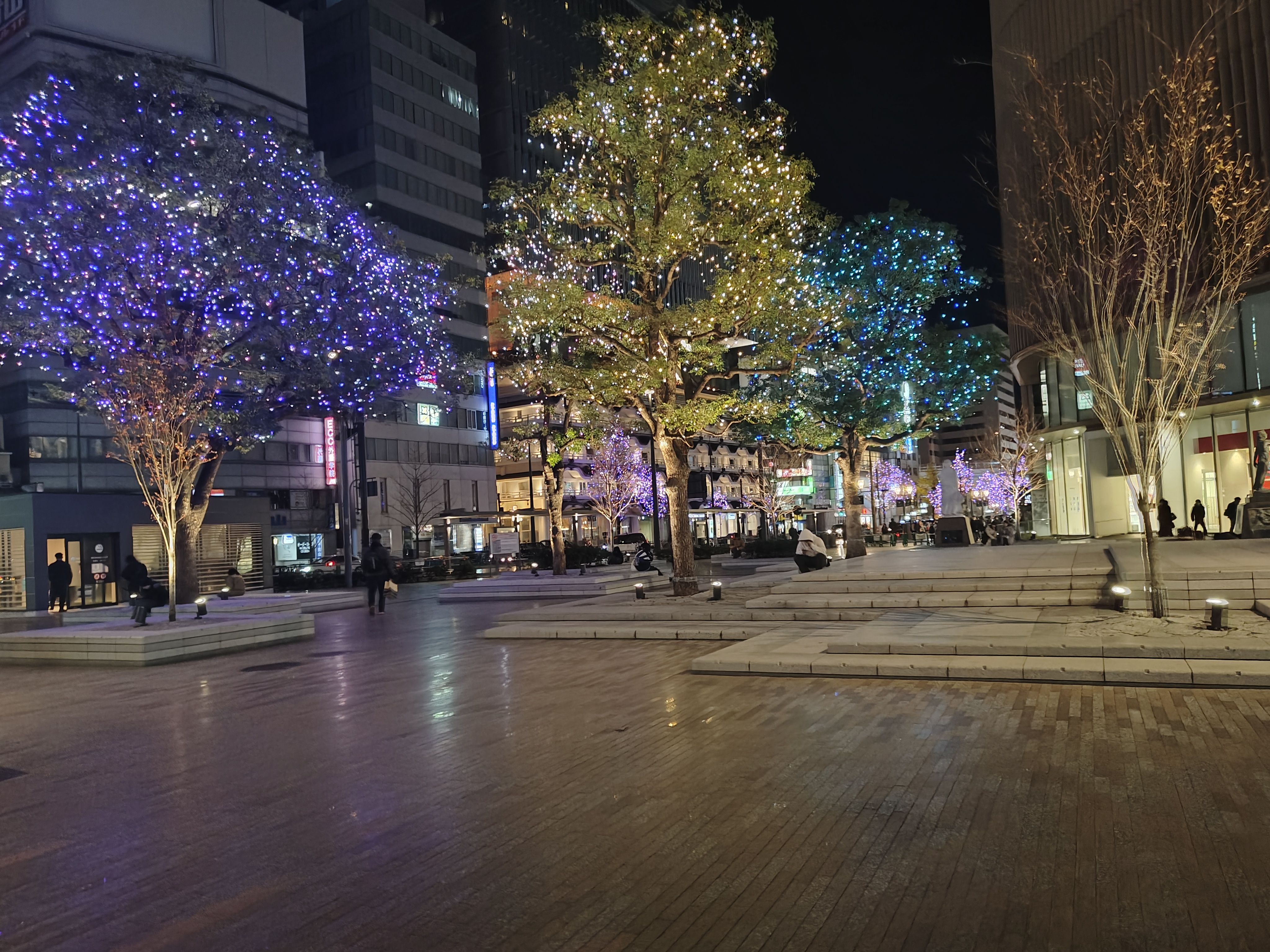
JST. After immigration, we found the JR station and got an ICOCA card—I topped up ¥10,000.At that moment, I didn’t notice my passport was missing. After debating endlessly over Google Maps, we took the Airport Express all the way to Ōsaka-Namba Station. There weren’t many people on the train—mostly non-Japanese—so I wasn’t fully immersed in the atmosphere yet. But as soon as we stepped out of the station, I was struck by the festive lights in the plaza (probably a winter illumination rather than Christmas?). It felt like the White Album anime had come to life.
We then transferred to the subway and headed from Namba to Honmachi. There seemed to be quite a few drunk people around, even though it was only around 10 PM. The pristine-clean-streets stereotype I read online melted away in that moment.
When I arrived at the hotel and reached into my bag, panic set in—my passport was gone. I retraced my steps immediately, asking every station staff member I could find, but had no luck. I was deeply impressed by how loss-and-found is handled here: subway stations share a Lost & Found system searchable by time and item type, plus Osaka trains have a dedicated LINE channel (even using AI to describe lost-item photos!). The JR line has something similar, but it’s not the same system.
With the last train about to leave, I couldn’t go back to the airport, so I went back to Namba. First priority was to get a police report for the missing passport—otherwise, I’d have to go to the embassy and pay hundreds to reissue it.
Thus, on my first night as a tourist, I ended up at the police station.
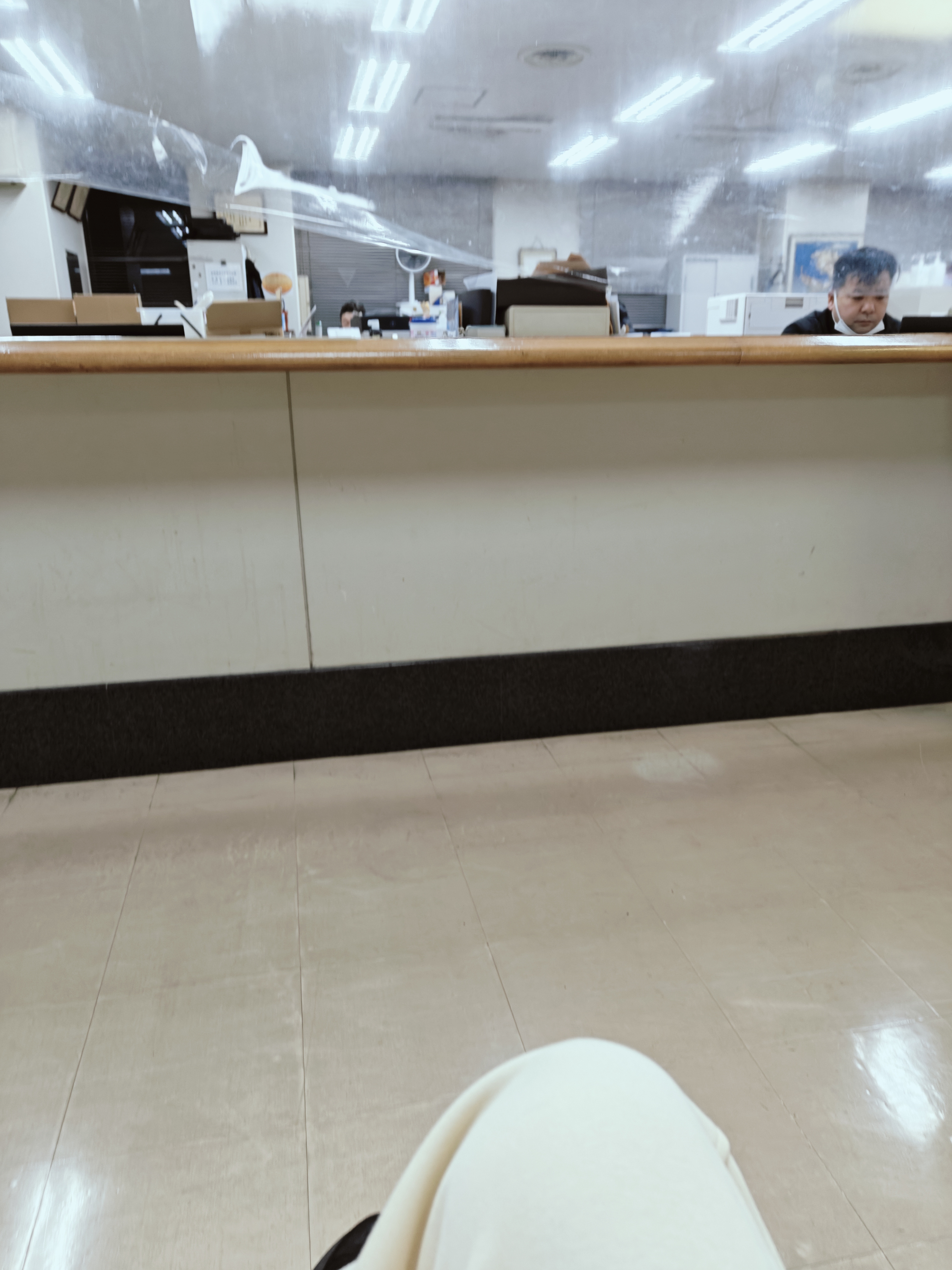
They had a translation machine for our conversation. Surprisingly, I understood about 80% of what was asked. My replies were limited to simple はい、ない、そうです、いいえ, but my confidence grew (just a little). Since lost items are held at the site for a few days before being sent to the station, there was no hope of retrieving it that night—but I still filled out a form and got a reference number.
By the time all this was done, it was almost 2 AM. On the way back, we stopped at a 24-hour Sukiya for dinner—I had curry rice, which tasted exactly like the versions at home or Yoshinoya, except the night staff were Indian guys instead of Chinese college dropouts.
Back at the hotel, I chatted with the front desk and managed to check in using a photo of my passport. They kindly pointed out the consulate’s location (only to realize it was a weekend, so the consulate was closed). At about 4
AM, I finally tried to sleep—and dreamed the police called saying they found my passport at some station I’d never visited.2. Day1 — Osaka
Alas, it was only a dream. I woke up to a LINE message: “We didn’t find it in the subway, please check with JR.” I called the airport (via Google Voice) on a hunch.
Luckily, airport staff found my details and said my passport was at the airport—crisis averted. I returned to Namba, meeting my family at the Edion main store. We browsed electronics without buying anything, but I had delicious ramen on the top floor (with a great sea view).
We then visited various secondhand shops, and at an anime store one staff member eyed me as if I were shoplifting.
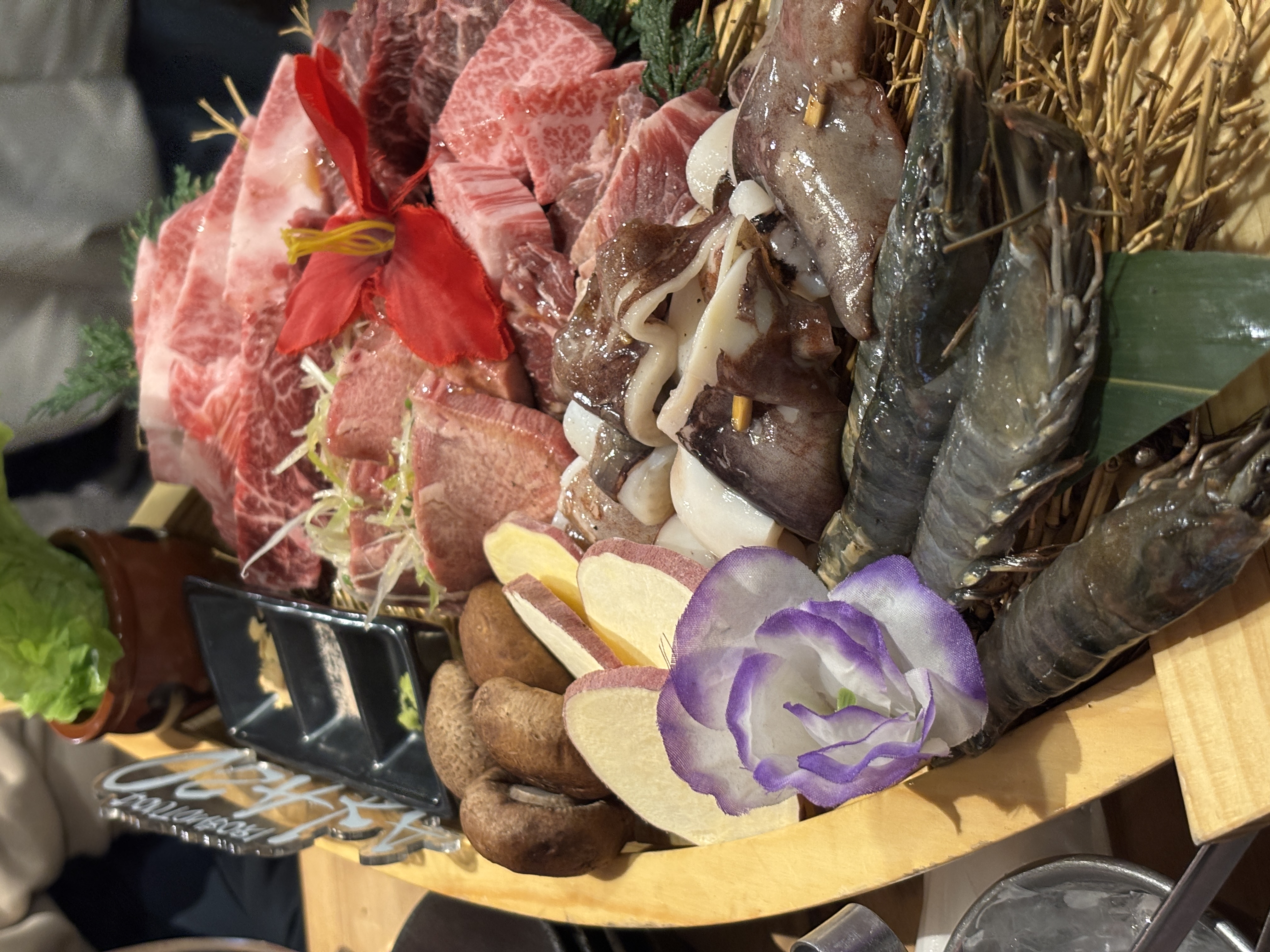
For dinner, we strolled over to Dōtonbori and picked a Showa-era yakiniku place called WAGYU+PLUS. To save time, we chose the set menu—complete with a theatrical drumming arrival of dishes. After tallying up, we realized the show cost us thousands of yen! Our first dinner had an average bill close to ¥3,000, but Japanese Wagyu really is tender and delicious.
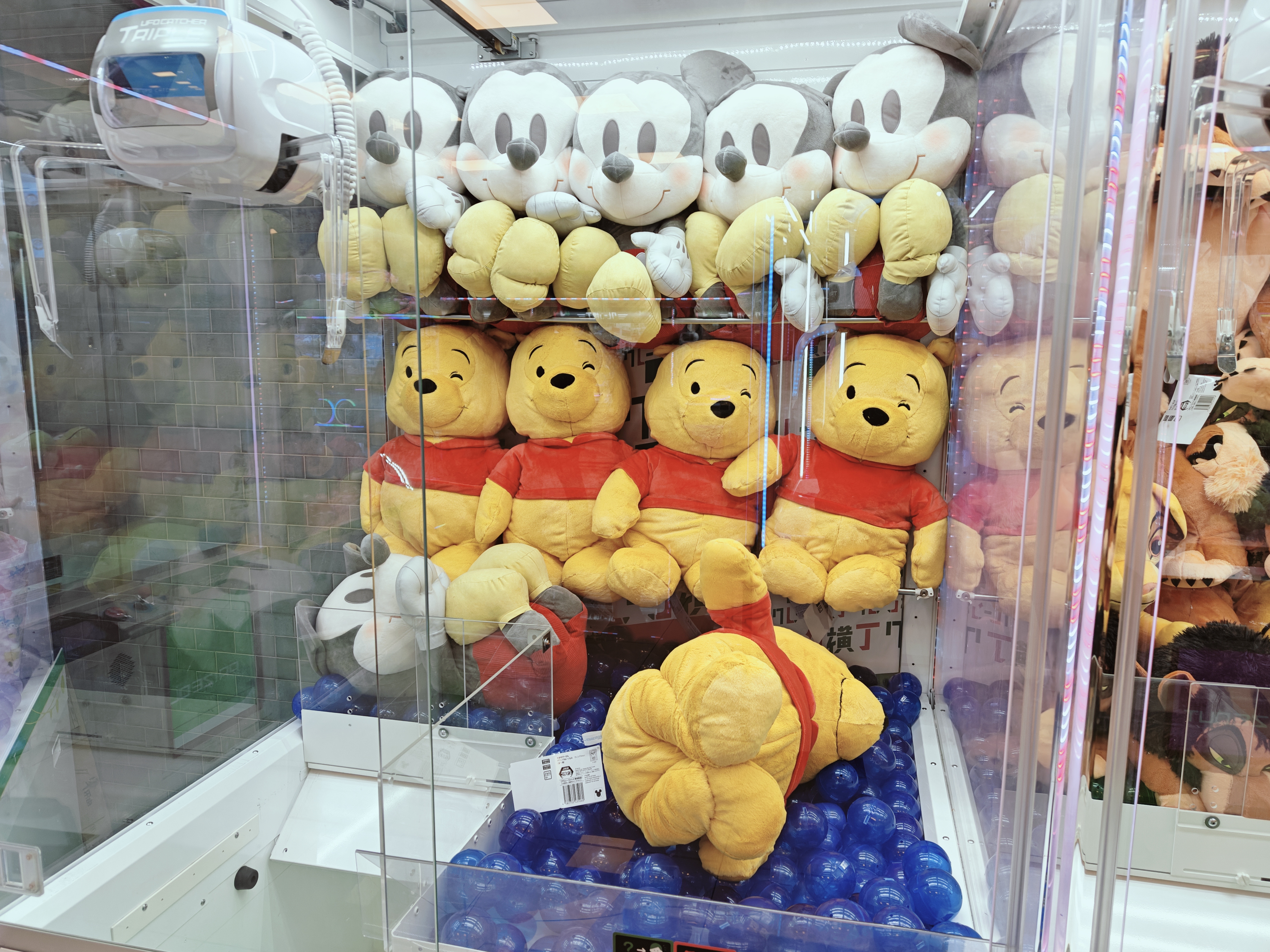
After dinner, we wandered into a claw machine arcade and spent ¥50 RMB trying to win a Winnie-the-Pooh plush—no luck. It cost more than gacha pulls in mobile games!
We bought some souvenirs—one item with Chinese-only instructions, and Osaka Lovers chocolates—then rode the HEP FIVE Ferris wheel together.
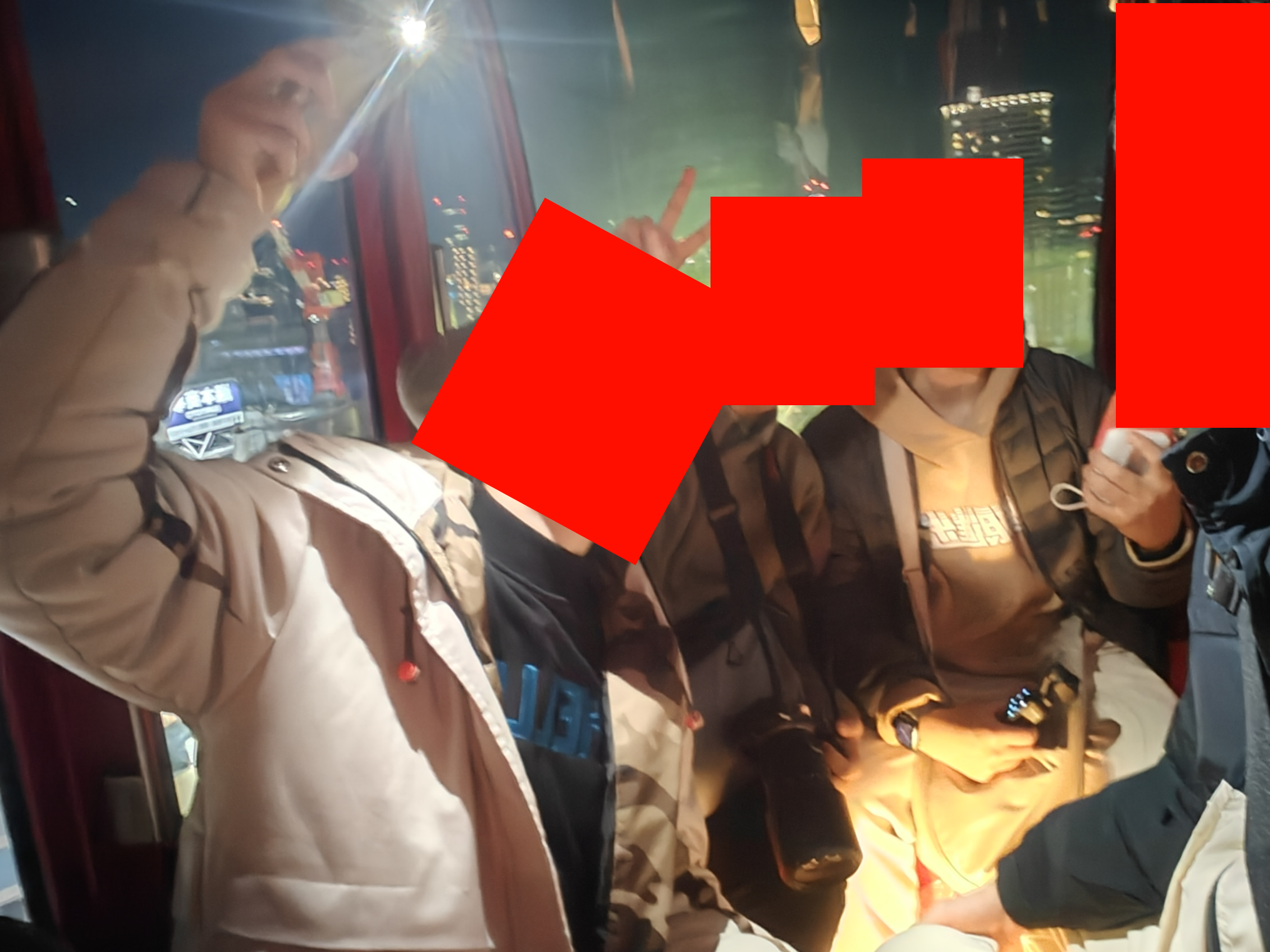
Back at the hotel, I finally tried the onsen, only to faint minutes later.
3. Day2 — Nara
Our first stop: deer viewing. We took JR to Nara Station, grabbing Starbucks coffee en route because I’d dozed off on the train.
Nara was freezing—my friend’s long johns were still damp, so we resolved to buy some thermal wear in the evening.
We wandered into a less-crowded temple, snapping photos that looked like Pokémon gym victory screens, then visited Himuro Shrine to try drawn-ice omikuji (no coins, so we skipped it).
Next we headed to Tōdai-ji and tried to find Nara Park. Inside Tōdai-ji, I bowed back to the deer dozens of times and fed them deer crackers, tempted to hype up the anime character NekoKonoko, but felt embarrassed at my anime references.
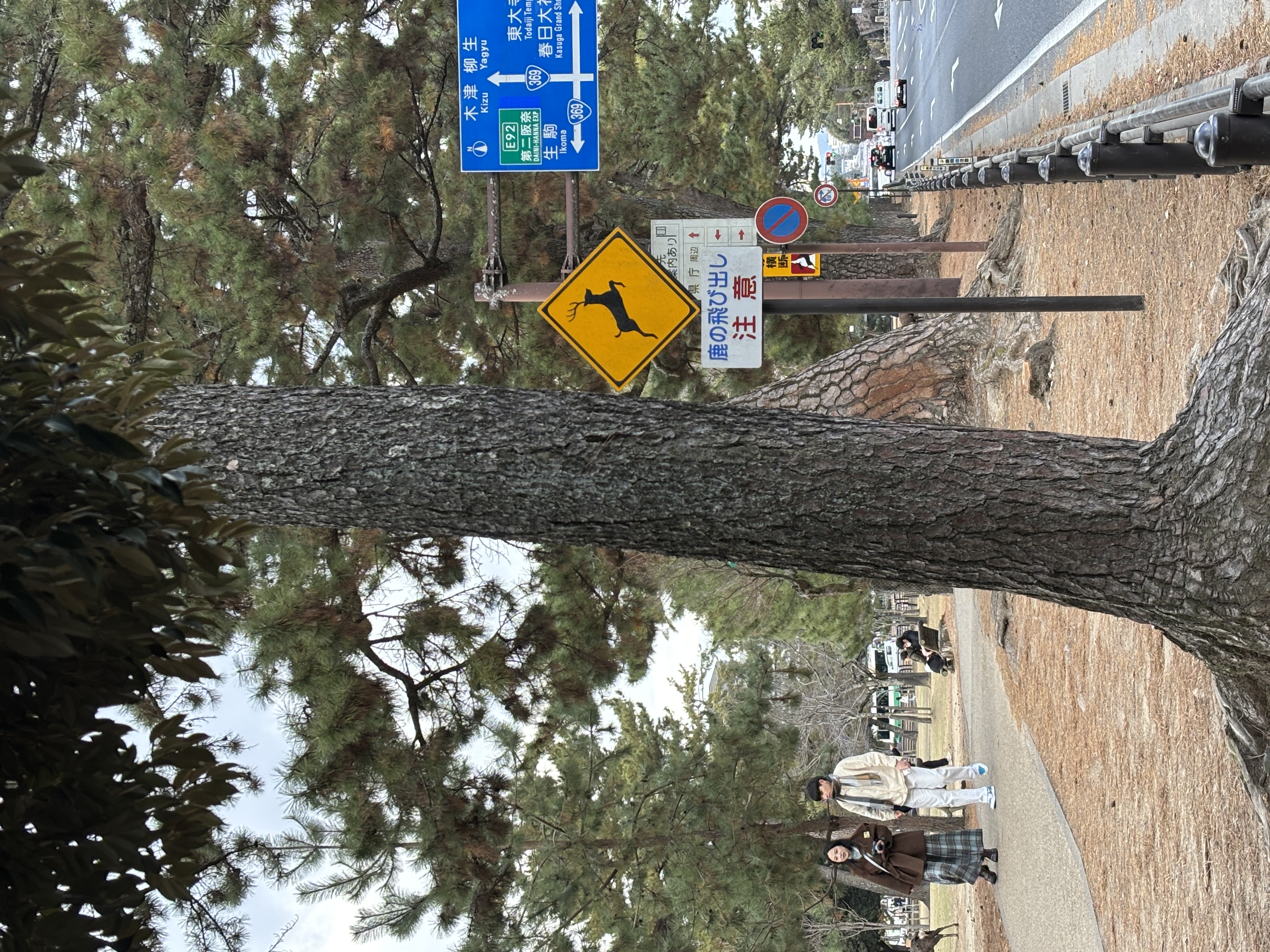
Feeling hungry, we found a udon shop. I braced myself for tourist prices, but the bill was very reasonable. The udon itself was fragrant, though the translated menu said “mochi” instead of popcorn-like tempura bits—tasty soup nonetheless.
On the way, we passed Wakakusa-yama—unfortunately closed. Later we realized there’s a side trail up the hill; missed opportunity.
In our search for Nara Park, we accidentally wandered into Kasuga Taisha. I wanted to try water omikuji there but was told it was a shrine for couples and I’d need coins—so I skipped it. I ended up buying a white-deer amulet instead, still hoping for luck in love.
We warmed up at a rest stop, sipping free tea that was fragrant yet not quite as memorable—like my life, not quite pu’er.
In the afternoon, we returned to Umeda’s shopping district. Four days of witnessing Japanese fashion trends inspired me to try shopping—but the prices of brands like BEAMS and BRITISHMADE were out of reach. Outdoor brands like The North Face were tempting but still overpriced.
After much deliberation, I settled on LAKOLE (an affordable brand). The styles were decent and not ubiquitous in China like Uniqlo, so I could feel a bit unique. I spent ¥20,000 on a Montbell plastic tote and a set of clothes + scarf—the tote alone cost a third of the total. Streetwear is crazy expensive!
Then we queued over an hour at a yakitori chain called Torimero. I personally didn’t find the flavor amazing, but the ¥2,200 per person price was reasonable.
4. Day3 — Kobe
Time to try Kobe beef. I had found a Tabelog-recommended spot with affordable kuroge Wagyu and true Kobe beef around RMB 600 for a set menu. But the restaurant was closed on Tuesdays, and walking there took 1.5 hours—so we quickly booked a different walk-in yakiniku near Sannomiya Station.
Kobe’s cityscape felt provincial, so we strolled from main roads into quaint backstreets—many shops were shuttered due to the holiday season, lending an odd quiet promise.
At the restaurant, I heard Chinese at the next table and hoped for a serendipitous reunion, then froze scanning the Japanese-only steak menu. I finally chose a comparative beef set (250g) for ¥8,000—the most expensive meal in my 22 years.
The staff set up our raw meat for a ceremonial photo. I thought it was mandatory and snapped away.
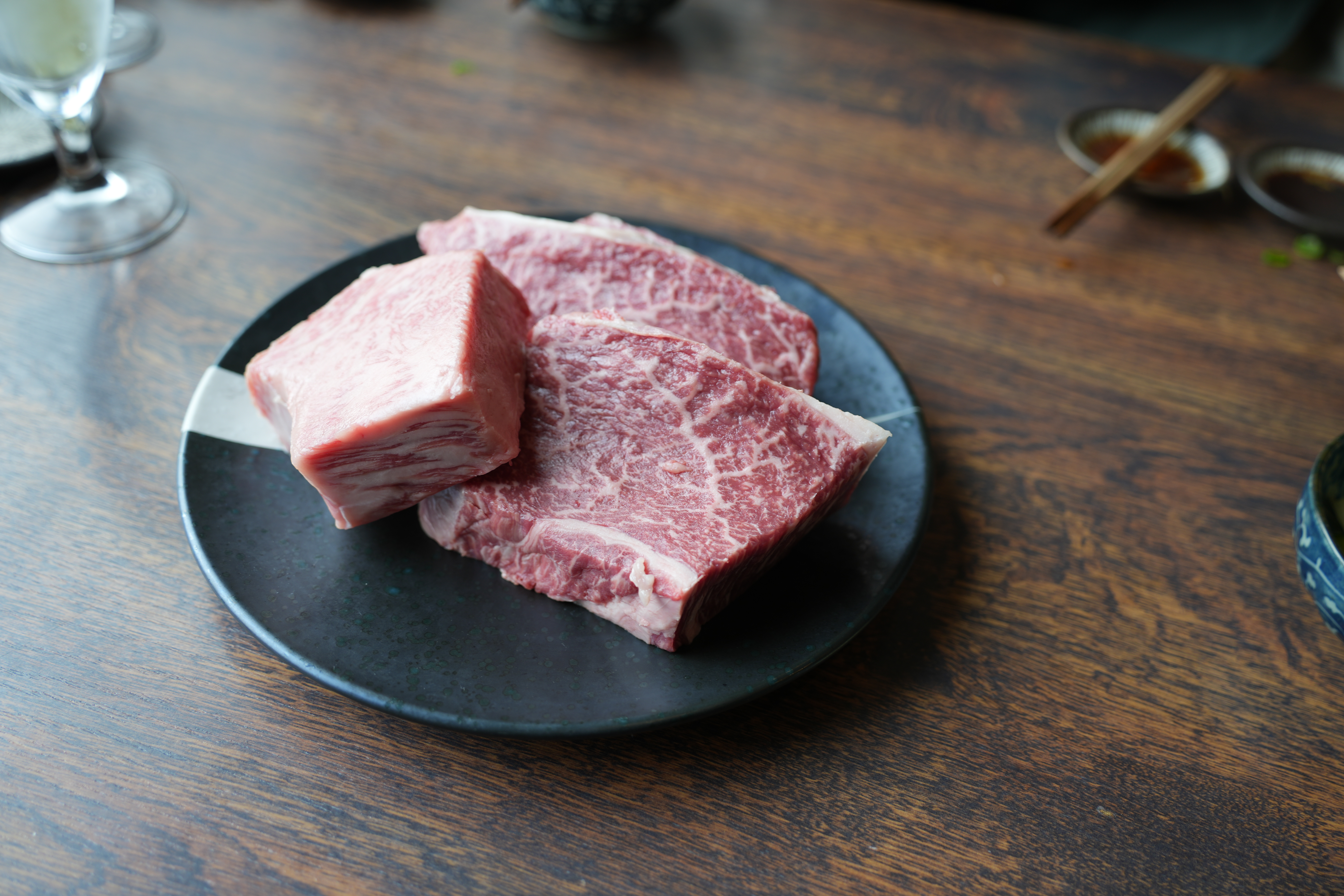
I later noticed a Dianping (Chinese Yelp) logo—apparently the photo op was for tourists to show off on social media. My ego cooled instantly.
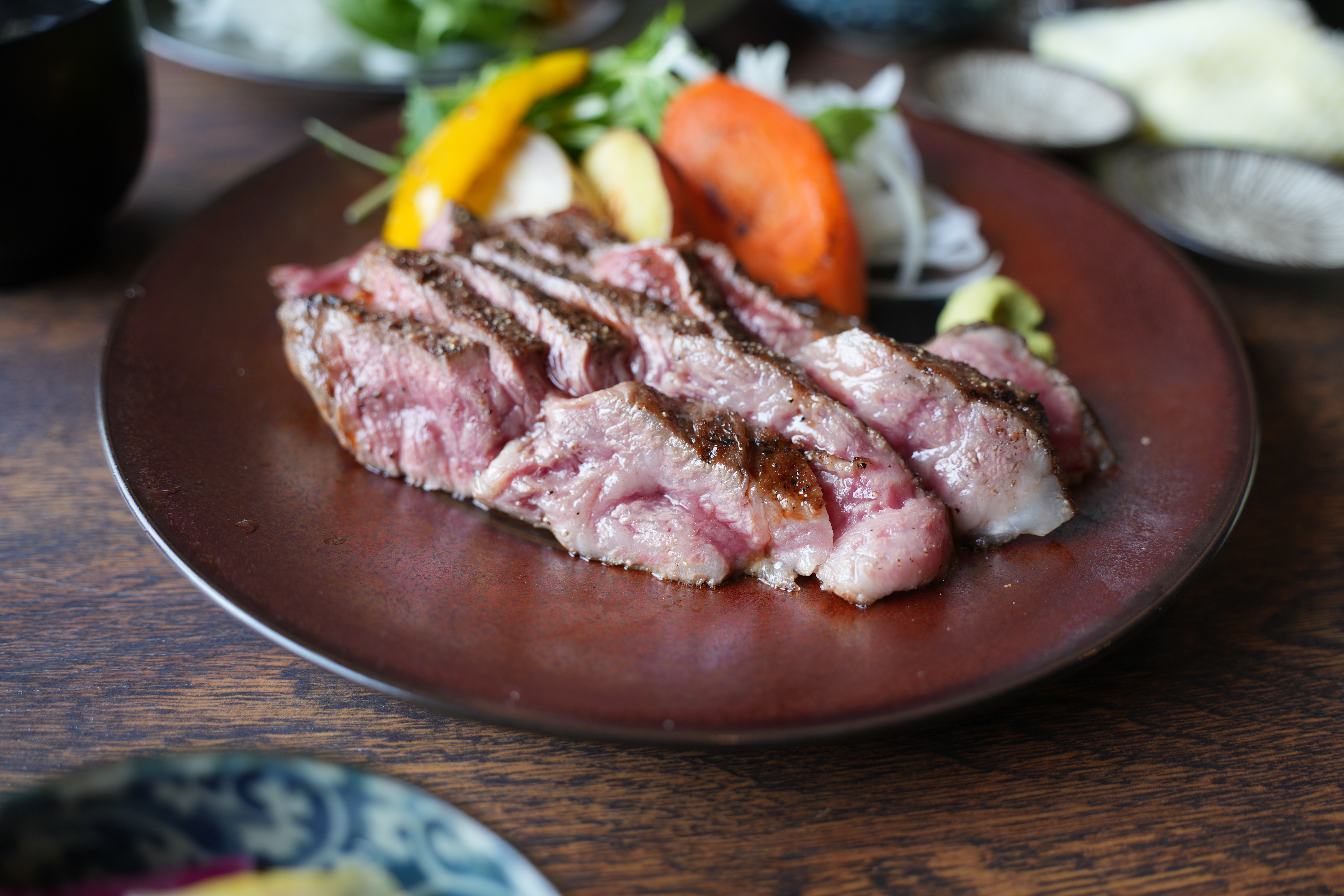
After the wait, the beef arrived bright red. I tried to channel a food critic’s demeanor while tasting it. Indeed, the meat was unbelievably tender—melt-in-your-mouth soft. But by the final few slices, I was struggling—the ultra-rare cuts were too rich, and at ¥30 per bite, I nearly cried.
Our original plan to visit Arima Onsen for a hot spring was abandoned due to distance. I considered anime pilgrimage spots but realized Kobe didn’t have major locations from my favorite shows—so I hopped on a JR train and explored at random.
I spotted Suma Beach but saved it for another day. Instead, I ventured to Maiko and Maiko Park—beautiful seaside views from an overpass.
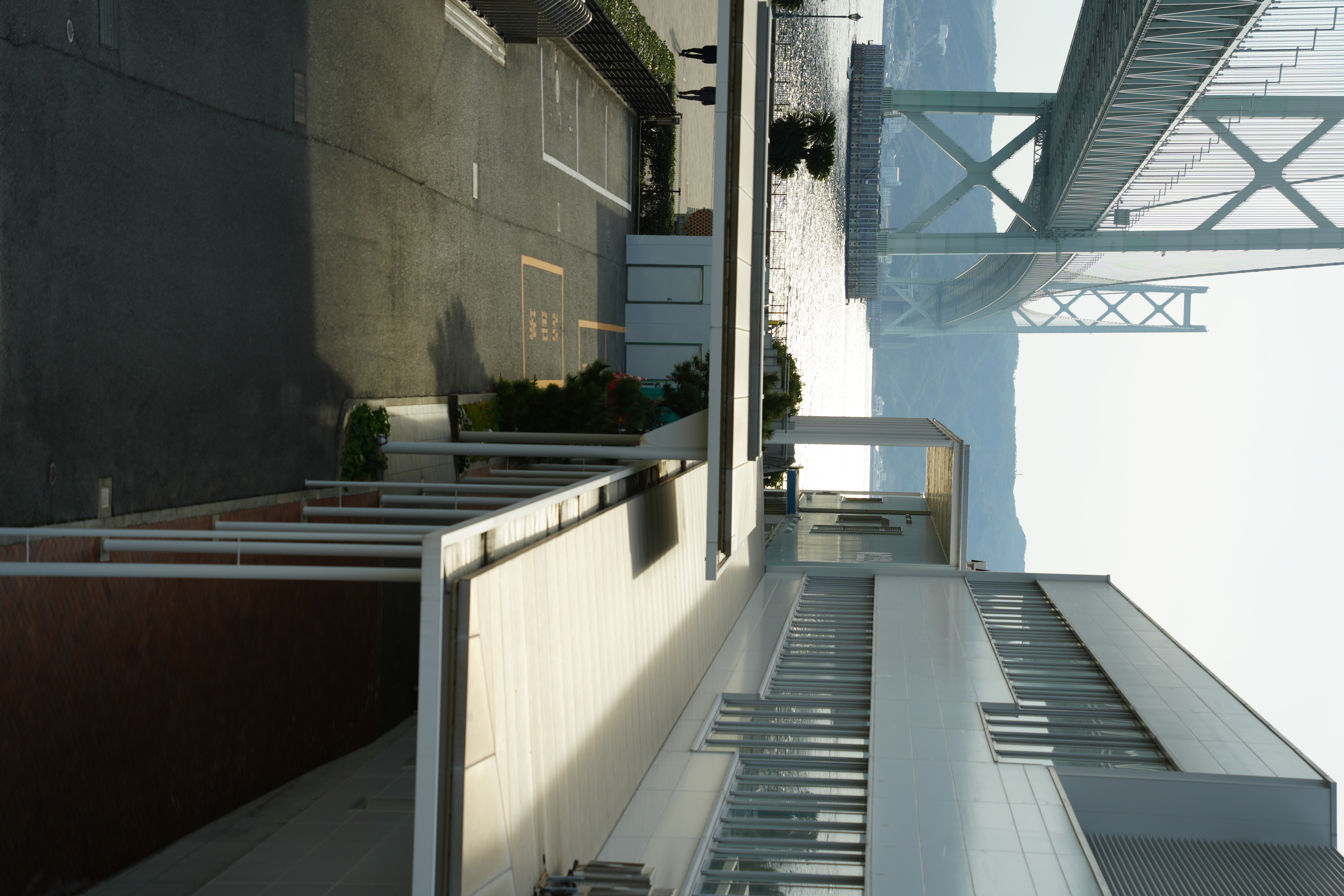
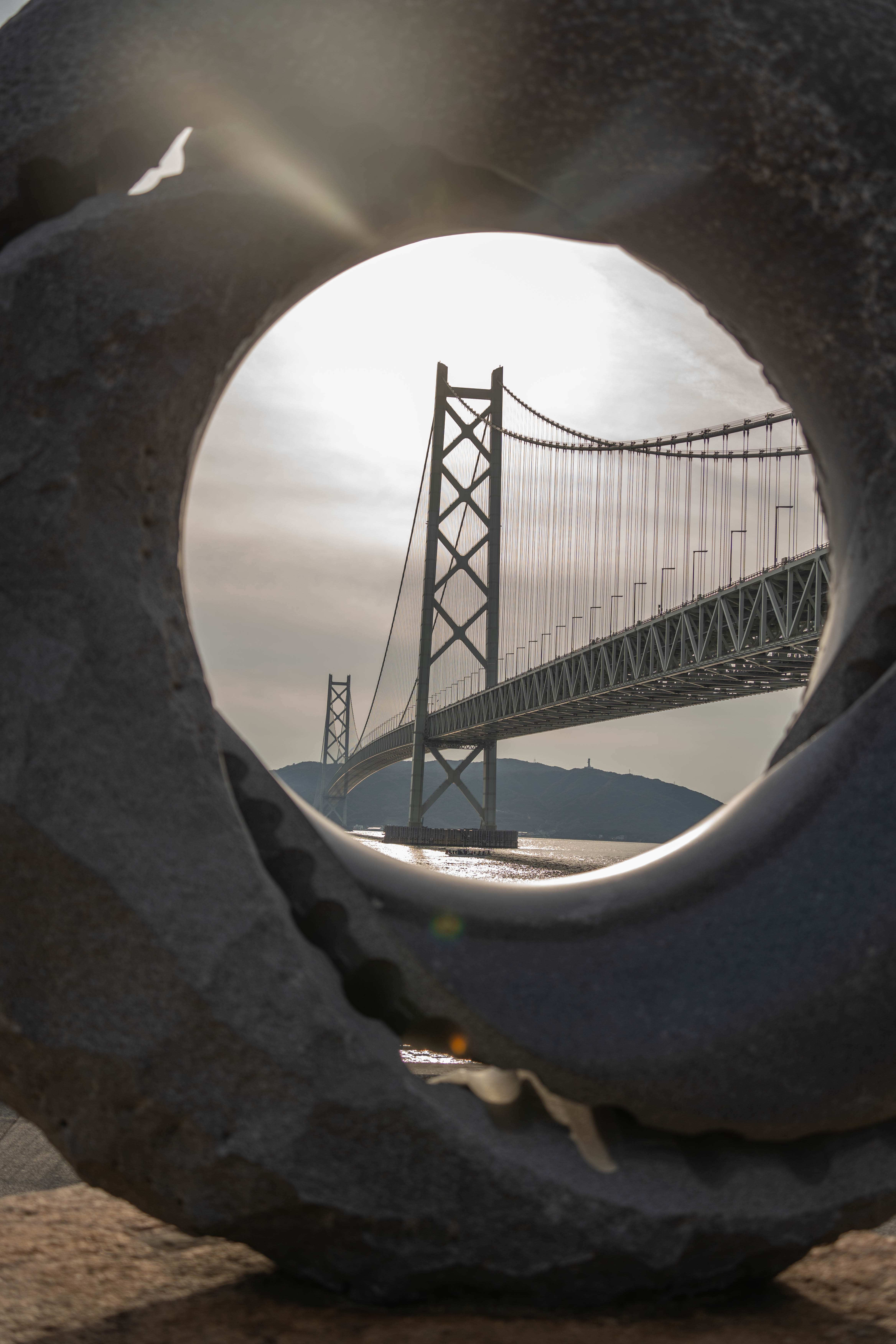
At Maiko Park I joined locals photographing the Akashi Kaikyō Bridge from a well-known vantage point.
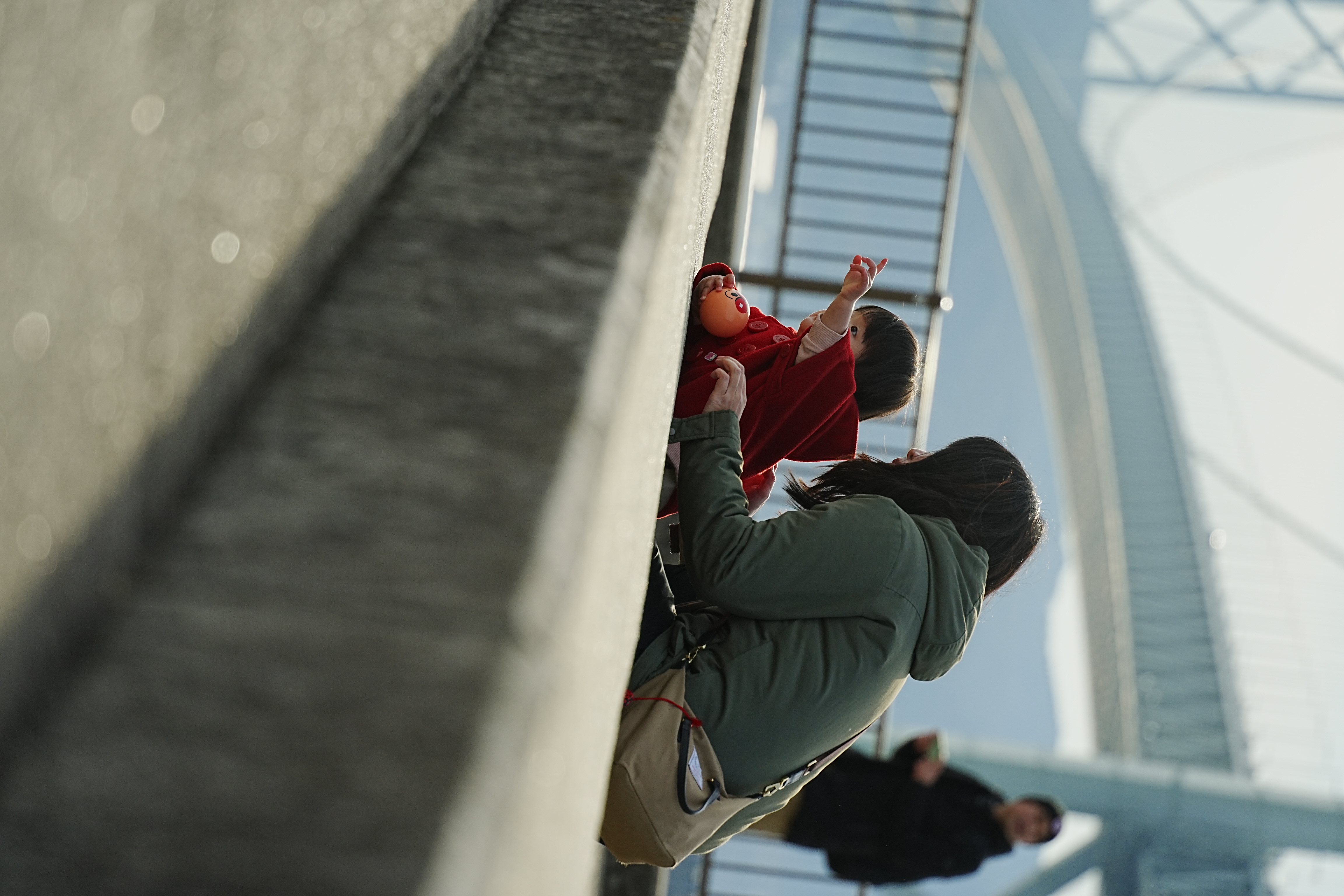
Then I just sat by the water, watching families play and feeling content. I think enjoying people-watching beats visiting most attractions.
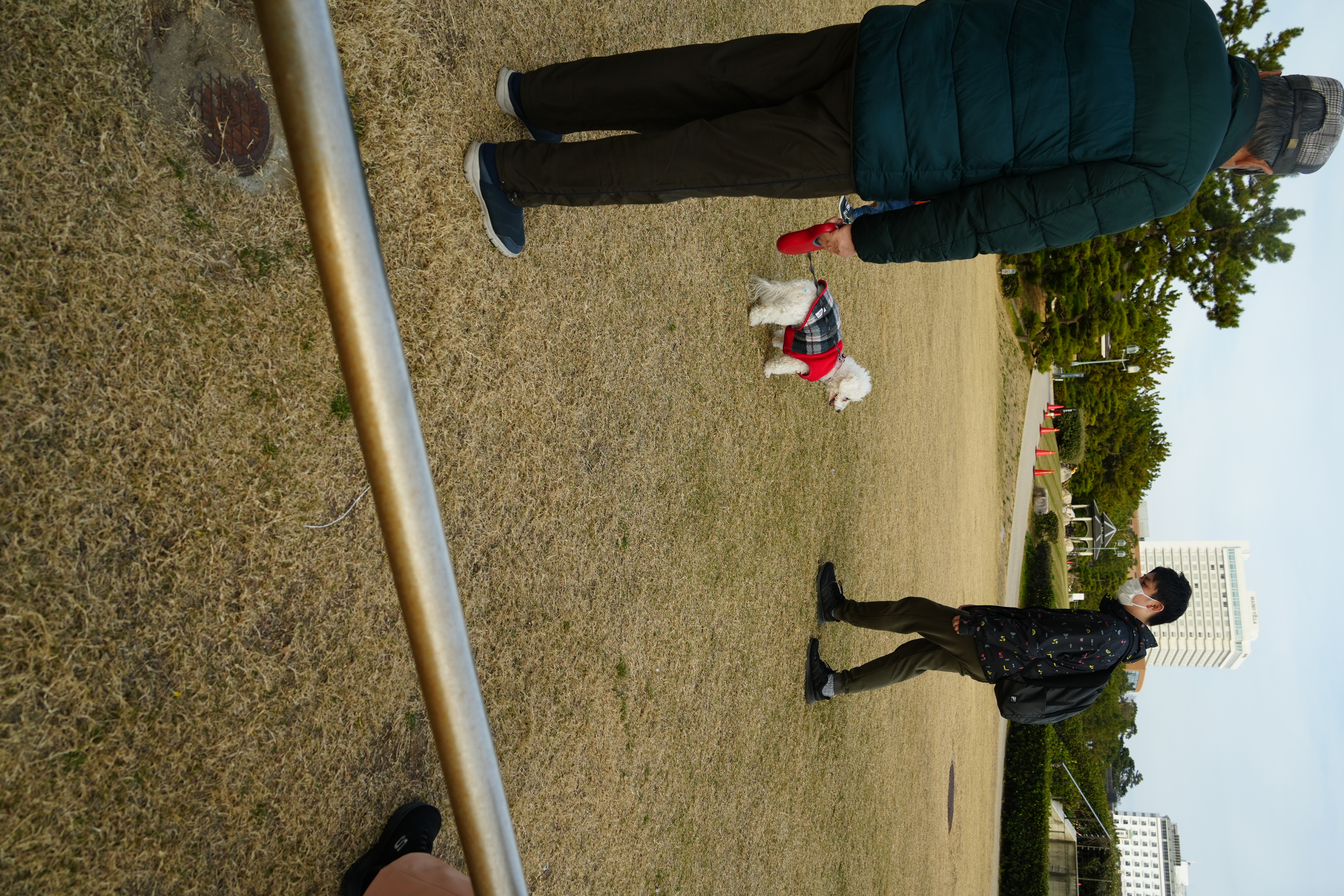
After half an hour, I realized I should head to Suma. On the way, I saw an elderly couple walking their dog and raised my camera—honestly hoping for permission to shoot. To my surprise, the grandparents chatted with me in Japanese, saying their 17-year-old pup was still energetic. Despite my broken Japanese and single-word responses, we connected.
The grandmother said, “He’s so handsome!”—my first compliment masked by a face mask. This random local encounter became the highlight of my trip, reminding me how much I cherish spontaneous conversations with strangers.
On the train, I realized I’d lost my glasses. I retraced my steps but couldn’t find them. Using XiaoHongShu, I learned about the OWNDAYS chain in Sannomiya and got prescription glasses for ¥700—cheaper than back home. They’re not my perfect 1.0 vision, but they work.
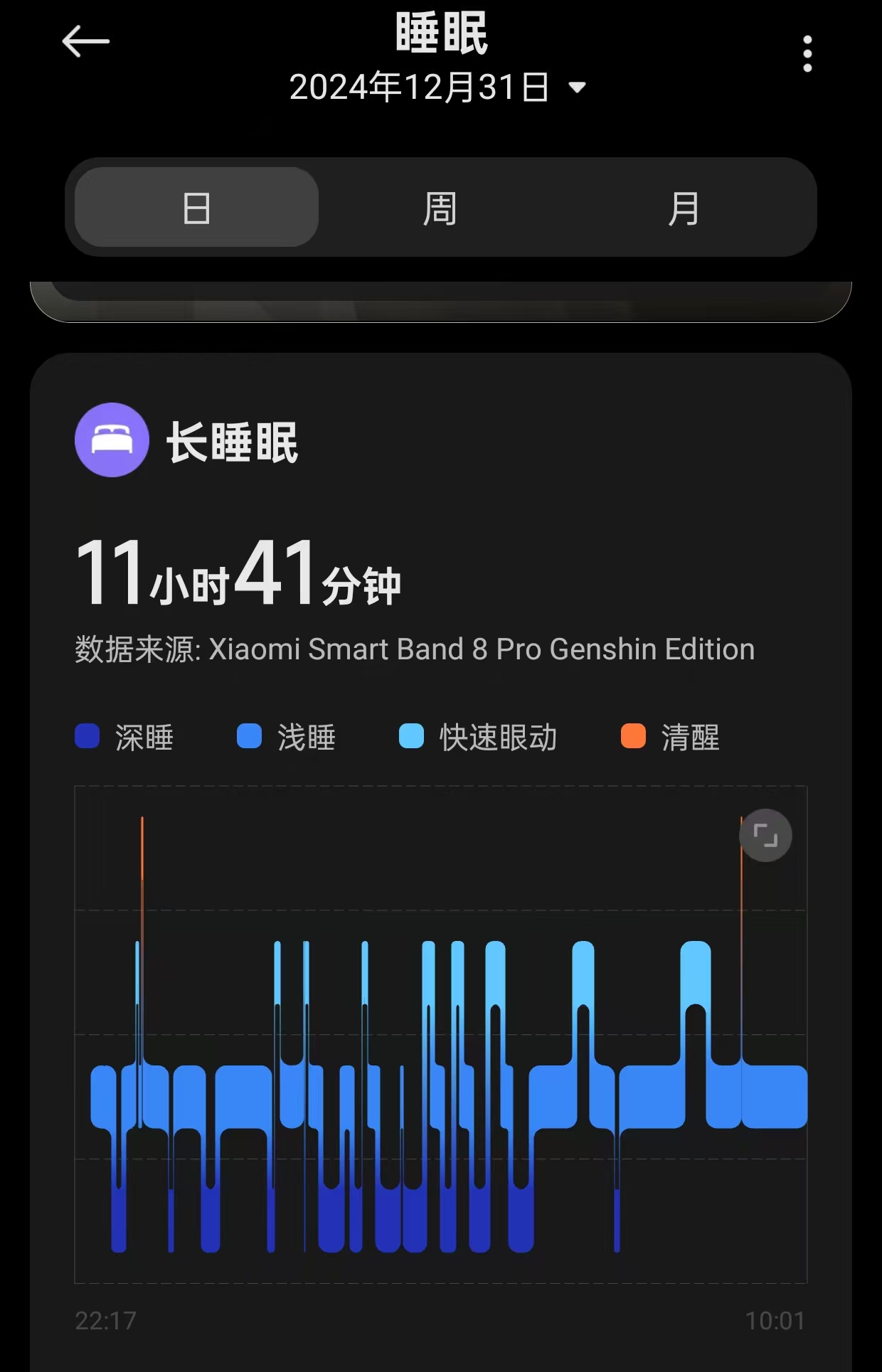
Exhausted, I crashed at the hotel—glasses still on—sleeping until past 10 AM the next day.
5. Day4 — Kyoto
My favorite city at last—Kyoto. It was December 31st, and I’d planned to ring in the New Year here with Hatsumode.
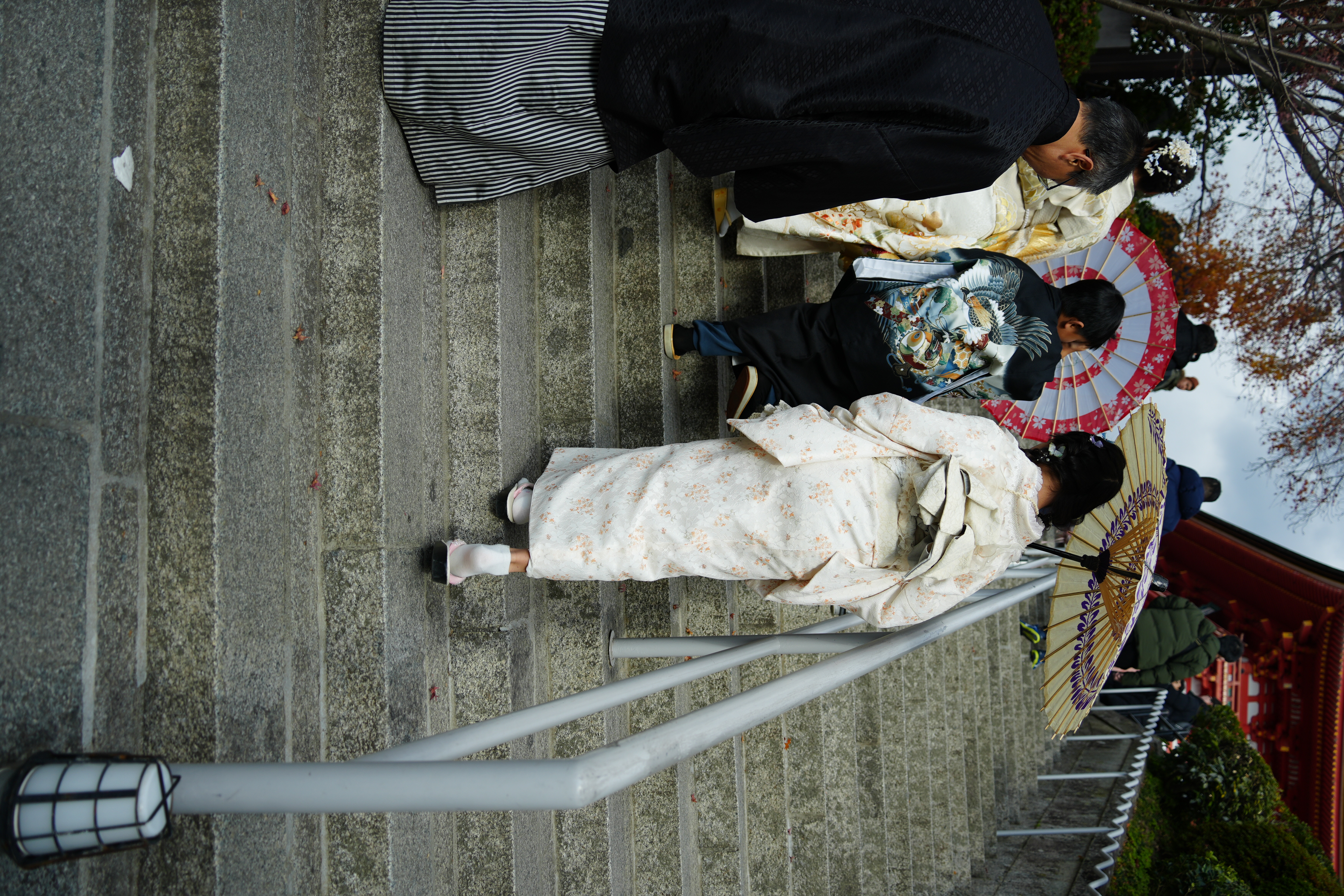
We visited Kiyomizu-dera in the morning—no photos, too many tourists (70% seemed Chinese). I did snap a candid of a Southeast Asian family because the little girl in kimono was so cute.
We then browsed souvenir shops—bought some matcha cookies (not great).
In the afternoon we headed to Fushimi Inari Taisha, inspired by the thousand torii gates in HELLO WORLD anime. It started pouring rain, which locals call “blessing rain”—some say perfect for prayers, others say it’s ominous. But the rain cleared out crowds, and we ascended the mountain in twilight.
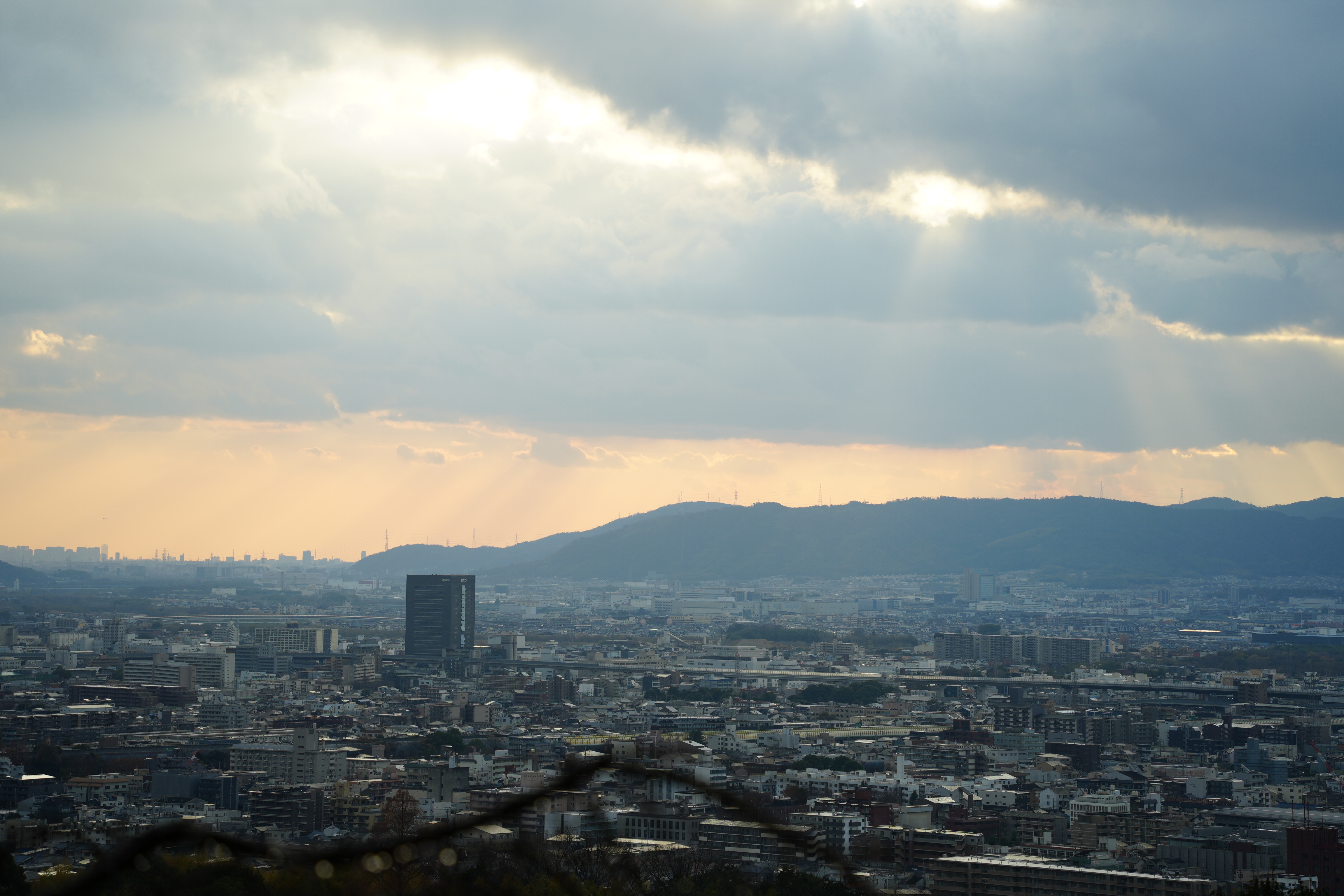
Reaching the summit at dusk, the view was magical.
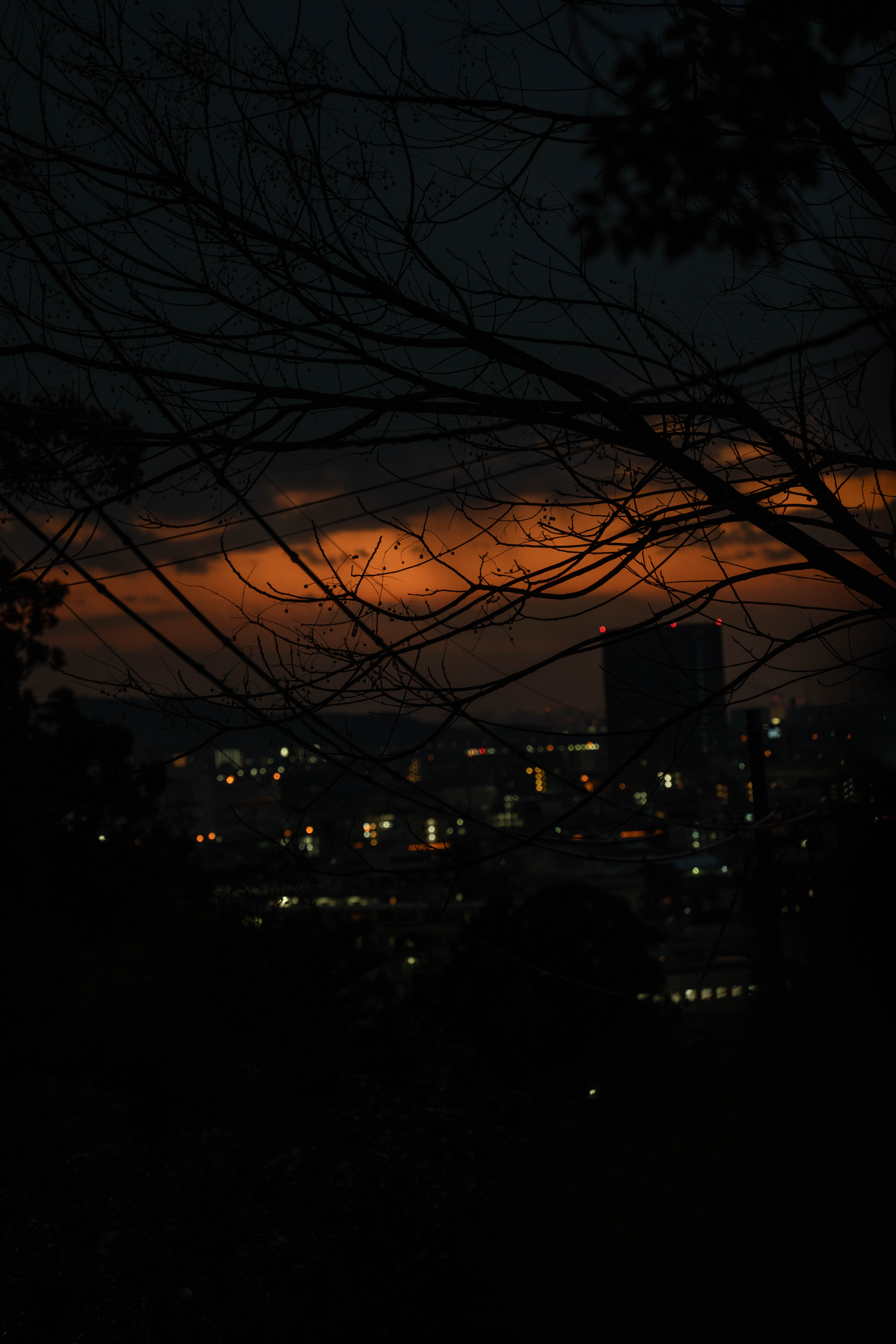
Descending, we found festival food stalls busy with New Year’s Eve revelers. I munched on a ¥700 fried dango—tasty but pricey.
Hunger led us back to Kyoto Station’s food court, but many stalls were closed. Some left the idea of New Year’s Eve at Kyoto Station—one group planned to queue for the midnight temple bell strike (which requires hours of waiting), another group decided it was too crazy.
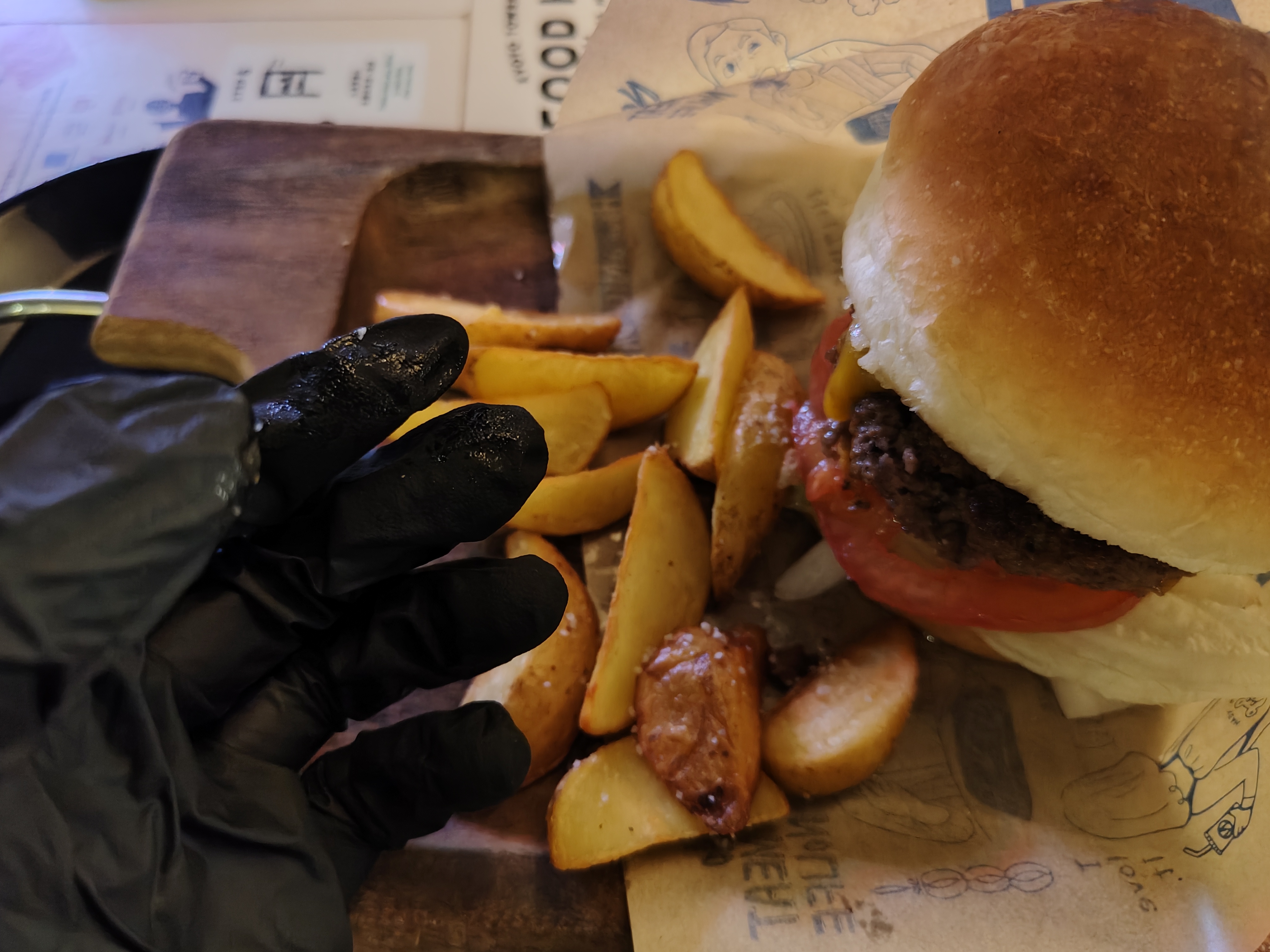
I chose to stay in town, finding a mini food hall near the station packed with locals. I tried a premium Wagyu burger for ¥1,500—ridiculously expensive for a burger, but delicious.
Still undecided, I asked a nearby Japanese couple for New Year’s traditions. Then we tried a bus to Yasaka Shrine—but we got on the wrong bus until a Polish tourist guided us back.
Finally at Yasaka Shrine, I bought a “burning rope” for ¥35 (¥350?), waved it to purify, and went from stall to stall sampling apple candy and sweet ginger sake.
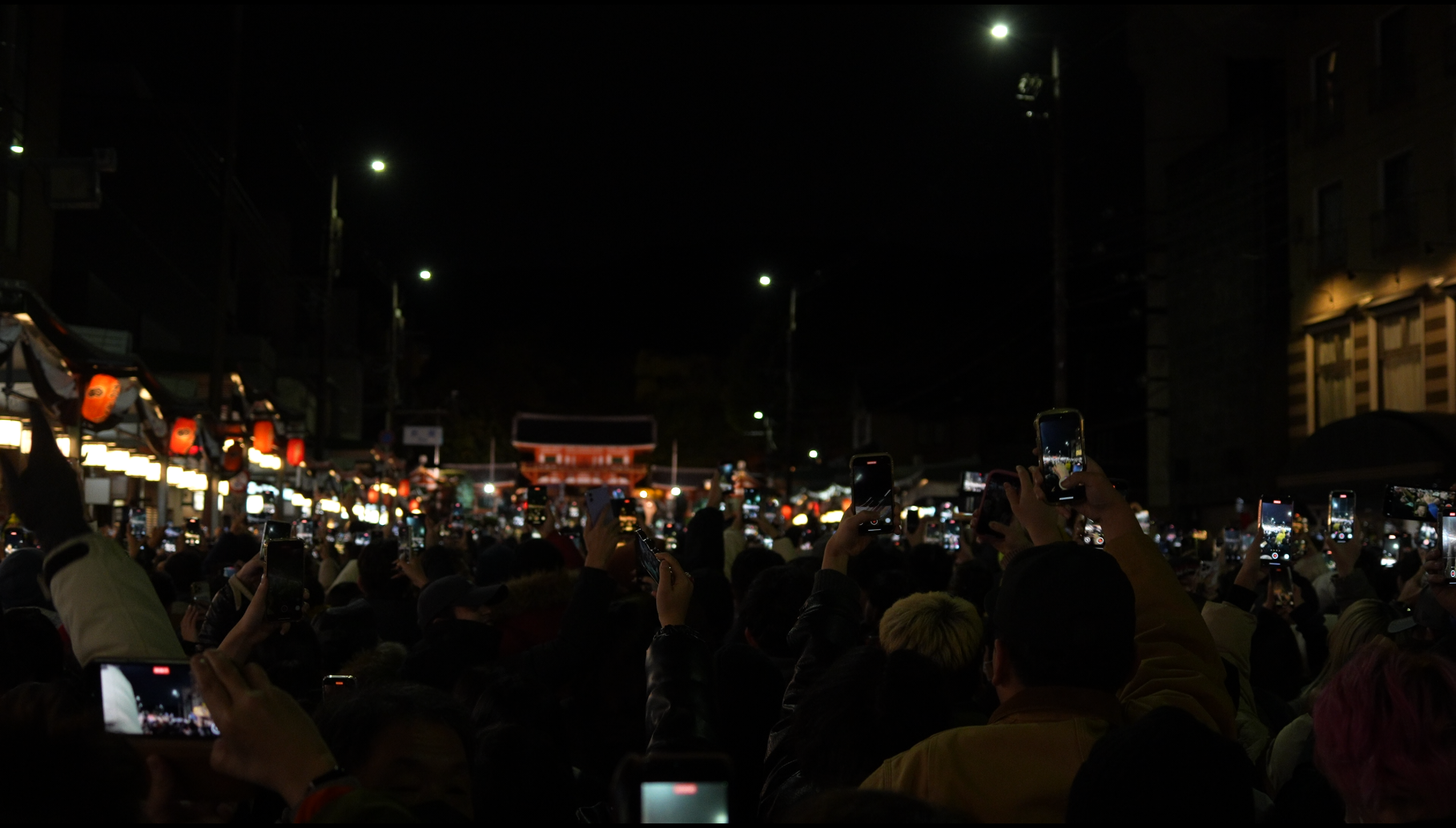
It was nearly midnight when we realized the temple bell ceremony was behind an interior queue—we’d have to wait inside the gate. We gave up on lining up outside, then wandered over to a nearby temple that hands out lottery tickets for bell-ringing. We missed the cutoff for tickets but still heard the bells from the exit side—a perfect vantage point.
At midnight, we marched back to Yasaka Shrine, which closed for crowd control then reopened at 1 AM for Hatsumode. Before the gates reopened, we joined a diverse crowd—locals with Kansai accents, standard Japanese speakers, Koreans, and Westerners—all counting down together. When they spoke “一,” everyone cheered and some celebrants spun beers overhead. It was an incredible moment of unity.
In line, I chatted with a French couple collecting swear-word flashcards from around the world. They let me learn some French curses—next time, I’ll remember to bring cash and trade cards!
I drew a good fortune (吉) and a love amulet (恋みくじ), dedicating a wish to find a Kansai-accented girlfriend. Then I bought a taiyaki (fish-shaped cake), remembering my elementary school’s love for To Love-Ru and its heroine who adored taiyaki.
By 5 AM, thanks to overnight JR service, we made it back to our hotel and collapsed.
6. Day5 — Osaka
Some of us went to Kyoto’s Mount Hiei for sunrise and morning prayer (with two people drawing bad luck omikuji—dangerous omen!). The rest of us slept until the afternoon.
I returned to Umeda’s Yodobashi—open late—and spent hours hunting The North Face sale items. In hindsight, I regret not buying a better down jacket from Mammut or other brands; instead I ended up with a small Japanese-made nail clipper, not even enough for tax-free!
Dinner was quick—ending our Kansai journey.
We booked shinkansen tickets but free seats were sold out. Some insisted on reserved seats, but I told them to risk the unreserved cars—worst case, we stand for two hours. On Klook the reserved seats showed as available, but the website later said they were sold out. I wasted service fees and ended up with mixed seating arrangements, losing ¥600 in total. The silver lining: my Klook ticket had a Mt. Fuji window seat—yet on departure day, my camera battery died and I missed the view, focusing on overhead power lines instead.
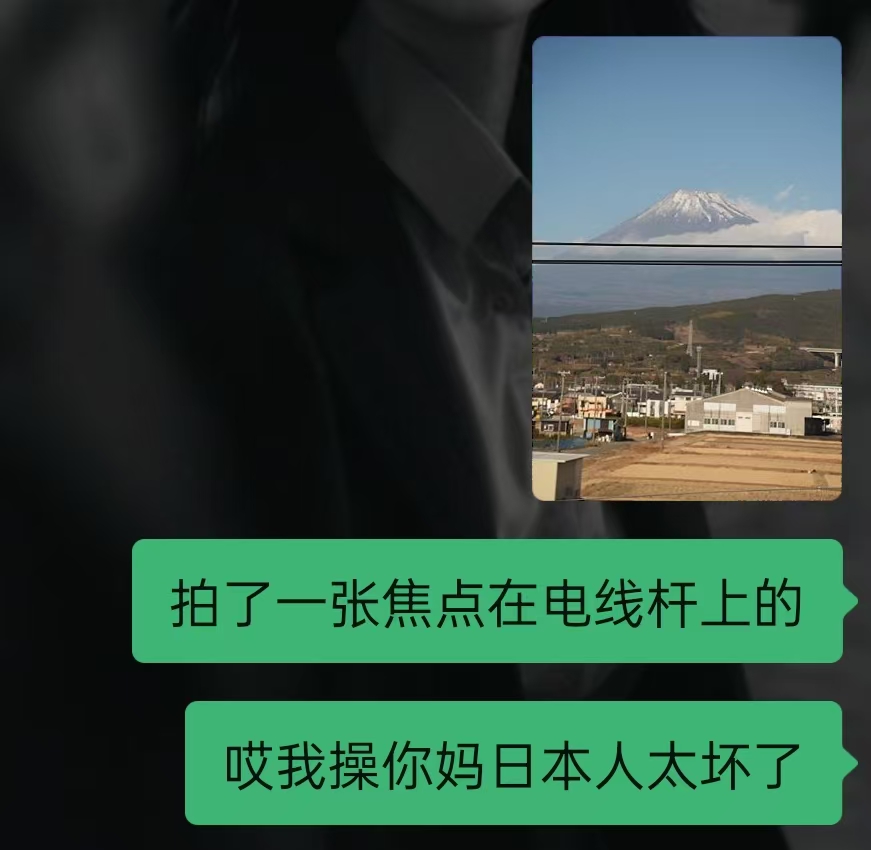
No worries—we still had the Fuji day tour. The shinkansen ride was underwhelming compared to high-speed trains but at least offered Wi-Fi. We scattered across different cars, emerging from parallel universes at the station.
I mastered Tokyo’s labyrinth of subway lines learning from Google Maps, setting up our host’s entry instructions for future days.
In Tokyo, our host Yoshi prepared tea and KITKAT bars—superior to the matcha cookies I bought in Kyoto.
After settling in, we explored Akihabara and hit an all-you-can-eat yakiniku. It was a bargain—300 yen per dish—so we devoured at least 10 plates each to match the price, washing everything down with tomatoes.
Then back to Akiba we wandered into the Green Building, browsing dozens of figure stores and purchasing plenty of goods.
7. Day7 — Akihabara / Shinjuku / Chiba
I expected to rave about Akiba’s endless shops, but after visiting Animate and Radio Kaikan, I realized my tastes differ from the mainstream. In the end, I bought a ¥25 Game Boy Color keychain blind box—got the drummer figure.
By afternoon, I still craved The North Face, so I headed to Shinjuku’s Alpinestore and found a 30% off down puffer in my size—¥1,600 with tax refund vs. ¥3,100 on Taobao. I indulged.
I then needed a shell jacket, so I checked Montbell—no tax-free, so similar to domestic prices—and finally L-Breath had one with tax-free + 5% off. Another impulse buy, though I already own a brittle MH500 shell from home.
I felt guilty about spending, so I called my friend in Japan and joined them in Chiba, where we had spicy hotpot and chatted in Chinese.
Their apartment matched anime depictions perfectly—more inviting than my dorm! We shopped at Don Quijote, observed 7-Eleven staff, sipped drinks, and passed out.
8. Day8 — Chiba / Shibuya
My friend and I visited many secondhand manga stores. In Chiba’s Animate I scored Luna Sea’s “Say Maybe” album, and at K-Books found two One OK Rock albums for ¥30—practically free. I also picked up more rare doujinshi.
I realized I’m still an otaku at heart.
In Shibuya, I discovered another Montbell tax-free shop—plus 5% off! I bought a dog-waste bag carrier (actually so practical), and despite time pressing, I also got matching shell pants. Impulse strikes again.
So my Tokyo shopping spree basically consumed my time—but on the bright side, I got a Japanese phone number and opened LINE.
9. Day9 — Mt. Fuji
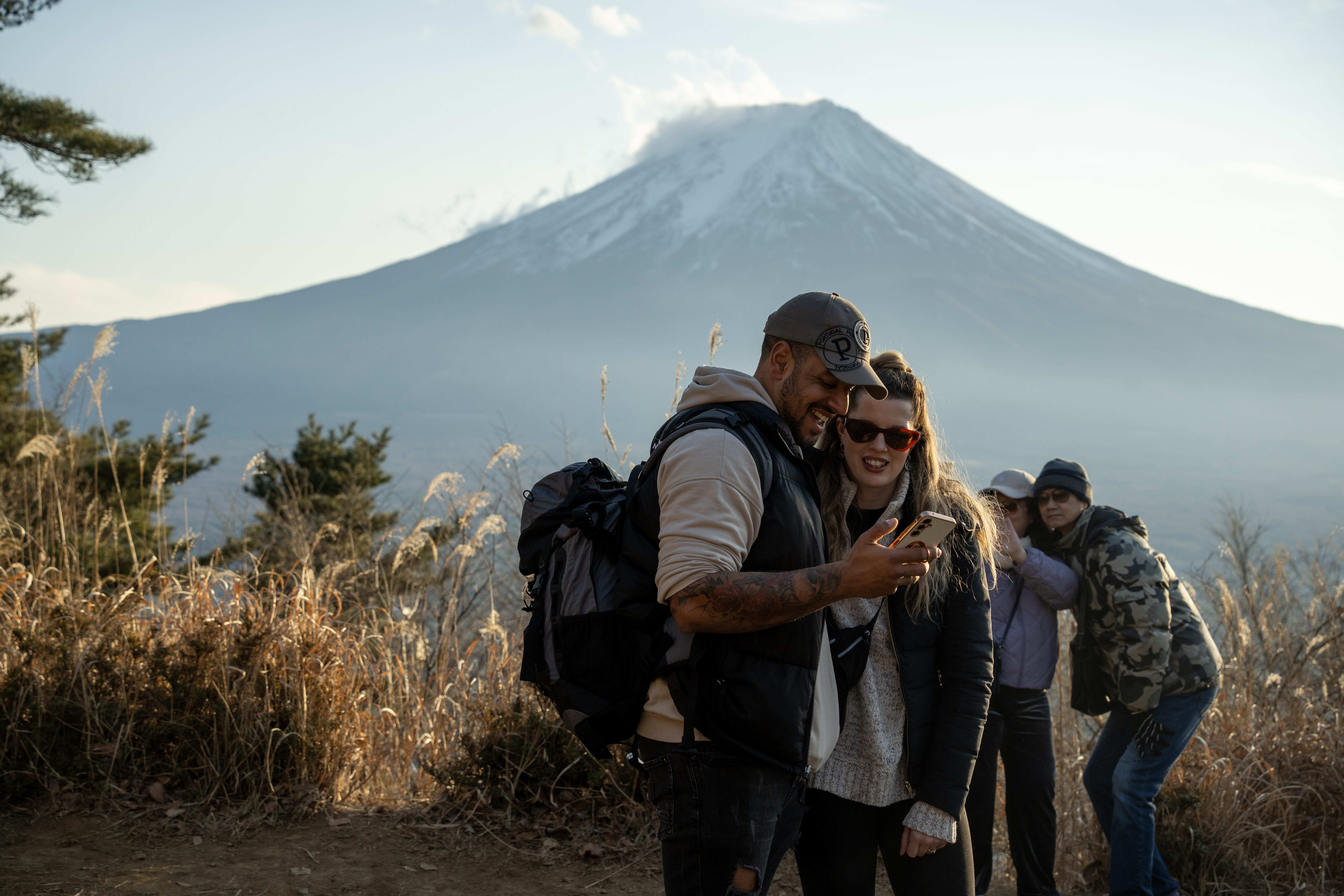
Finally, some real sightseeing. To justify my new jacket and pants, I joined a Fuji cycling tour—but my friends declined due to the cold, so I went solo to Lake Kawaguchi.
The scenery was stunning—I kept stopping to shoot. At one point, I set up my tripod and dialed in settings, only to have two Chinese tourists photobomb my perfect shot. After waiting three minutes for them to finish filming video, I packed up and left.
Exploring side roads, I found Kawaguchi Asama Shrine—quiet and devoid of crowds. I drew a “Great Blessing” omikuji—the trip itself felt auspicious despite losing track of my bike lock, lacking cash to rent, and photobomb woes.
Others moments included discovering a local bakery in a lakeside cottage selling matcha buns and wild-yeast loaves, chatting with an elderly woman selling udon who gifted me chocolate beans when she misread the currency on my phone. She bid me safe travels and invited me back another day—an experience I’ll never forget.
In a moss-covered shrine, sunlight filtered through towering trees as crows cawed and bats fluttered—I braved my wish there, sensing it was the most mysterious spot of the trip.
I also took a short cable car ride at the lake’s edge—less crowded near closing time—and captured one of my favorite photos ever.
Our host had recommended a local fish-and-sashimi restaurant near our lodging, but it wouldn’t reopen until January 10th—so we split up again: one group to 7-Eleven for bentos, another to seize the open izakaya.
Inside, it felt like a village tavern where everyone knew each other. We ordered a large cup of cheap shōchū on ice (¥350), a steak, grilled gyoza, and ramen. After a 30-minute lull with no sizzling sounds, I politely “private-masked” the staff into action—magnificent!
Back at the Airbnb, our clothes still reeked of izakaya scents—Japanese food culture is devious.
10. Day10 — Shibuya
Shopping again. I helped someone buy an LV tie—my first luxury boutique experience. When the salesman used Japanese to ask what I needed, I froze and gestured around my neck. To my surprise, he switched to Chinese: “Need a tie?” He then retrieved drawers of silk ties and asked which I preferred—embarrassing but efficient.
I settled on a classic pattern, wrapped in a postcard-like LV receipt sleeve—ceremony befitting ¥100,000.
Still restless for TNF gear, I roamed Shibuya’s TNF street, then Daikanyama’s flagship possible sales: bought an insulated pant on 30% sale—¥1,200 RMB. Impulse again!
From today’s perspective, I should have bought the latest model despite no discount—it would fit me better all year.
Next I rode the Shibuya Sky elevator—clouds and rain ruined the view and closed the rooftop. Indoor observation was underwhelming: I could barely see the neighboring building, let alone Tokyo Bay.
With some regret, I wrapped up my last full day in Japan.
11. Day11 — Tokyo to Beijing
JR to the airport, souvenirs, airport food, flight home, reminiscing about the land of the rising sun :(
0x99. Future Plans
I will definitely return to Japan again within the next year.
{/* AI */}